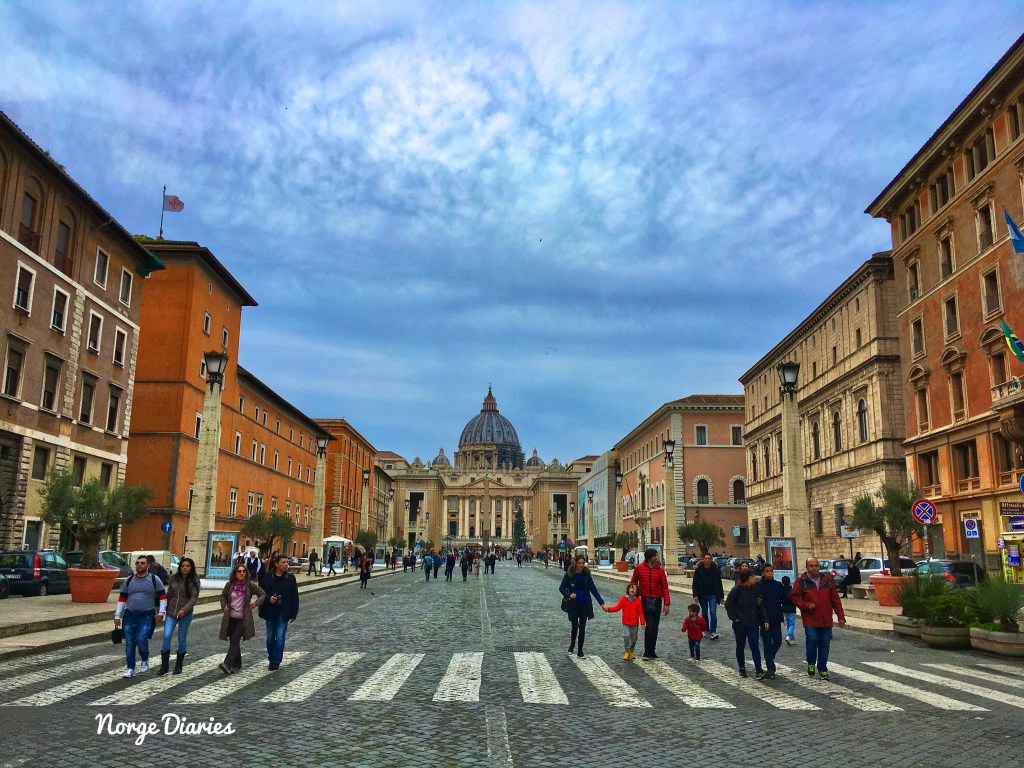
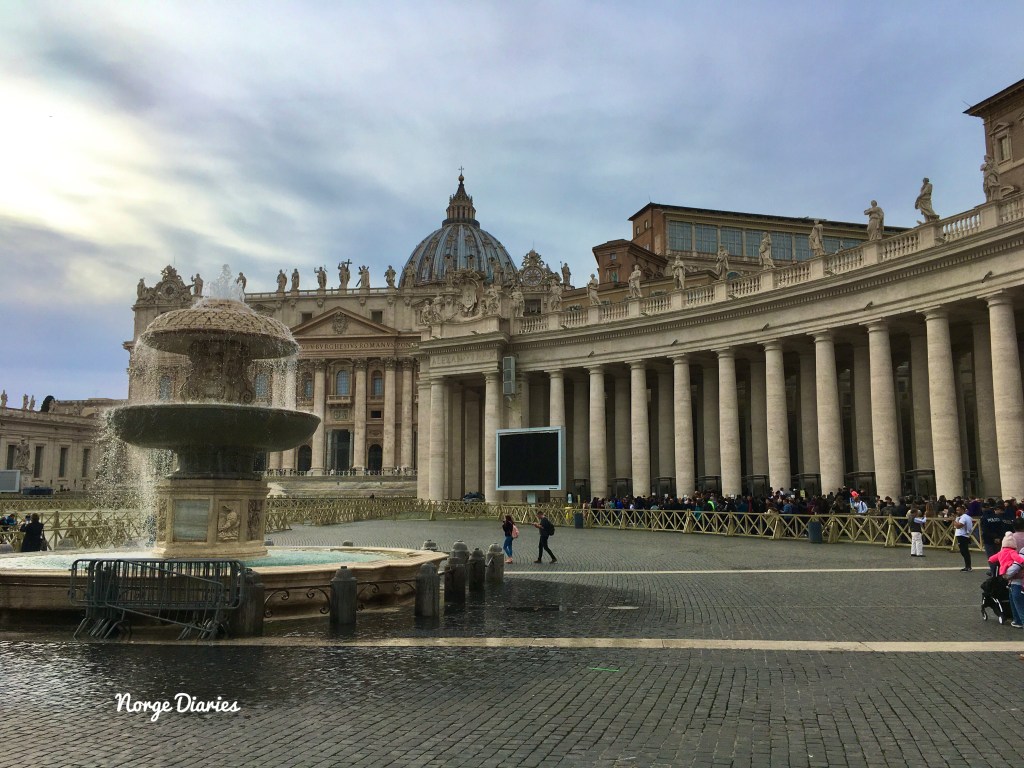
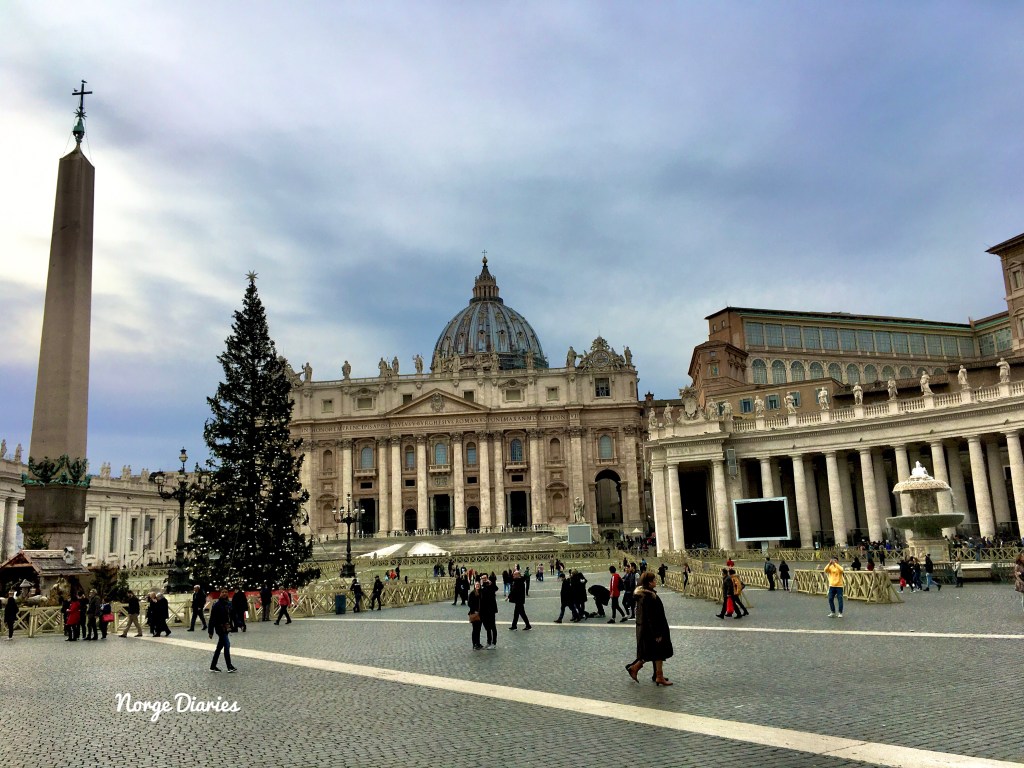
St. Peter’s Basilica-
The Papal Basilica of St. Peter in the Vatican, or simply St. Peter’s Basilica, is a church built in the Renaissance style located in Vatican City, the papal enclave which is within the city of Rome.
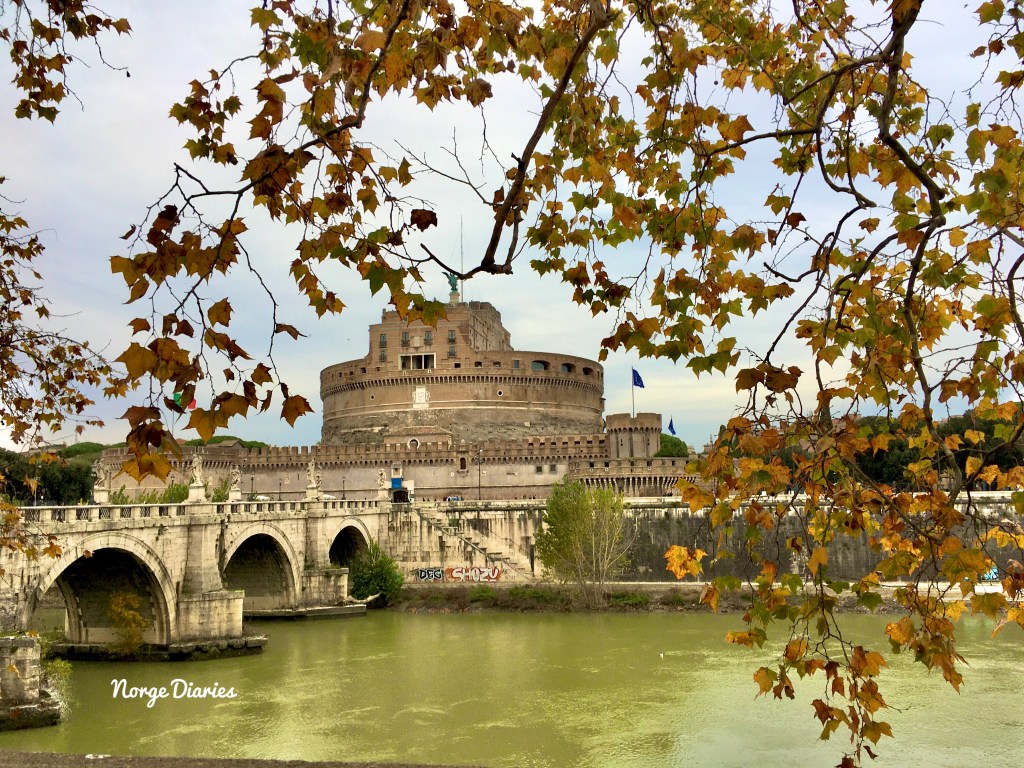
Castel Sant’Angelo-
The Mausoleum of Hadrian, usually known as Castel Sant’Angelo, is a towering cylindrical building in Parco Adriano, Rome, Italy. It was initially commissioned by the Roman Emperor Hadrian as a mausoleum for himself and his family. The building was later used by the popes as a fortress and castle, and is now a museum.
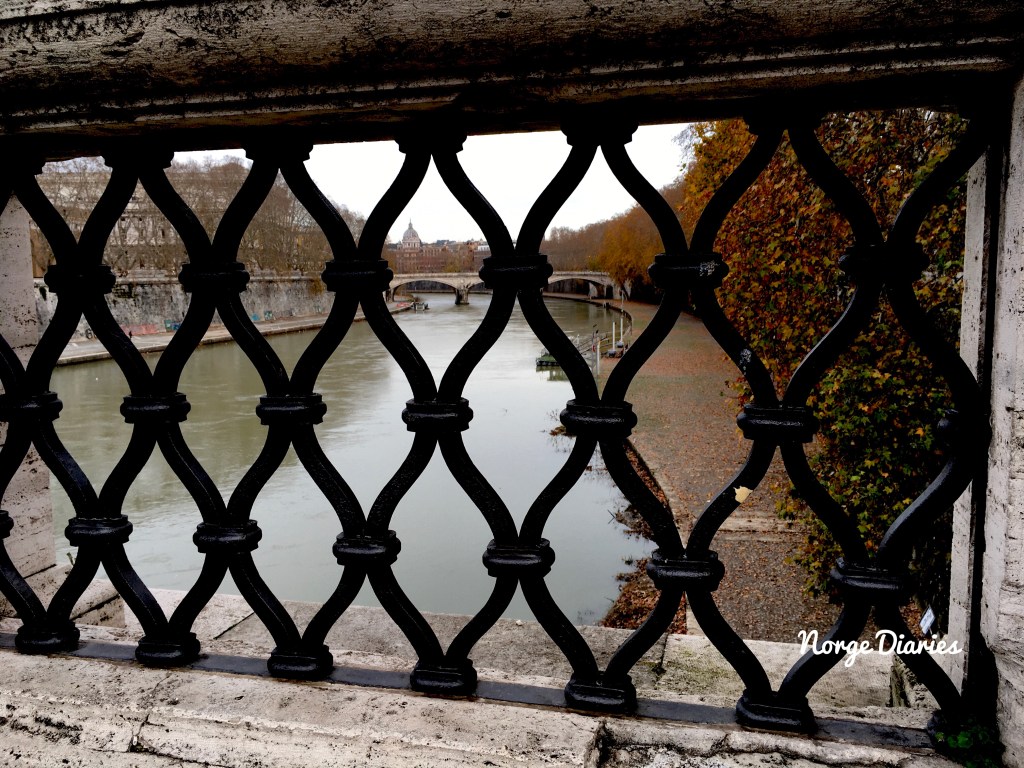
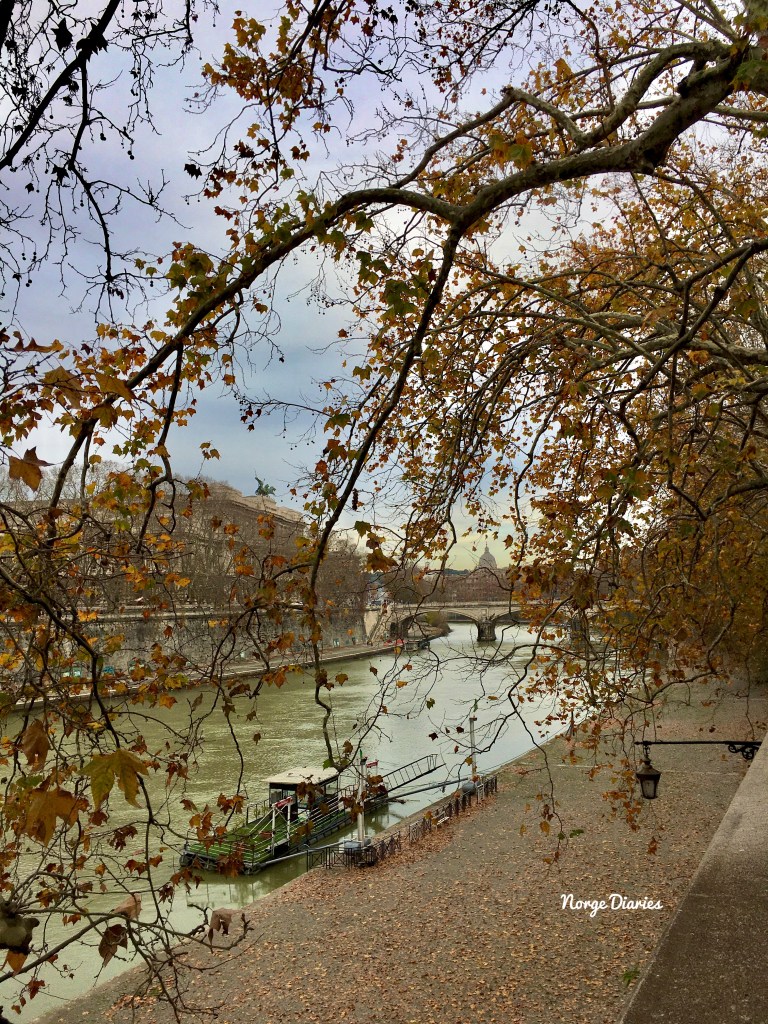
St. Angelo Bridge-
Ponte Sant’Angelo, originally the Aelian Bridge or Pons Aelius, is a Roman bridge in Rome, Italy, completed in 134 AD by Roman Emperor Hadrian, to span the Tiber from the city centre to his newly constructed mausoleum, now the towering Castel Sant’Angelo.
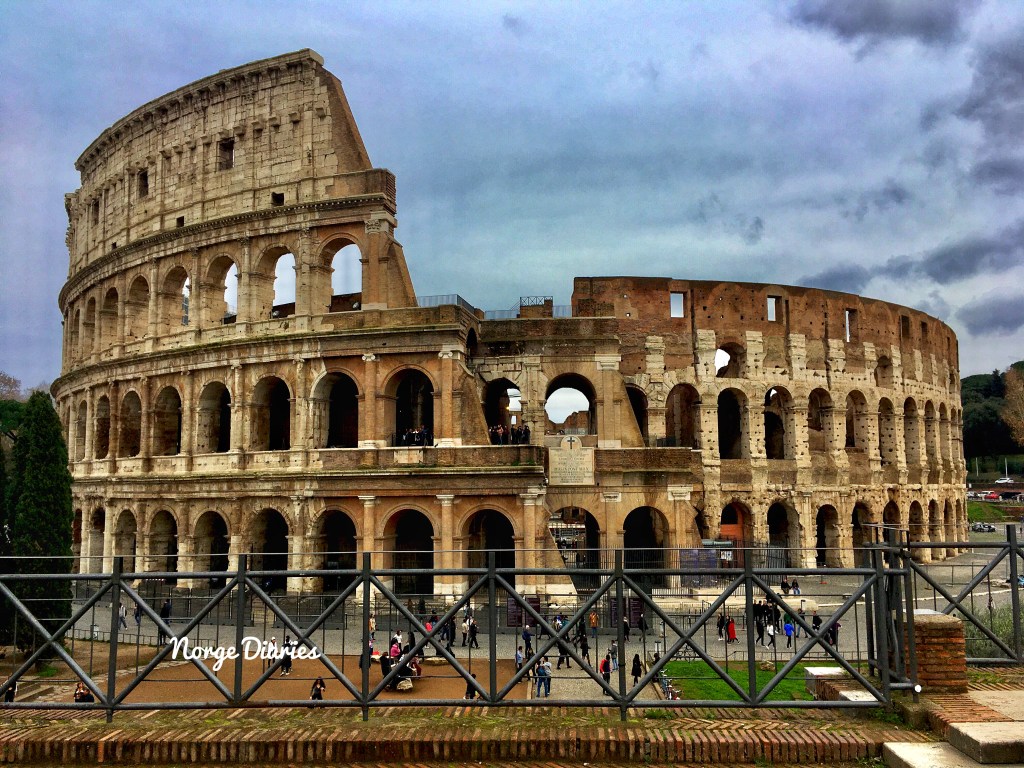
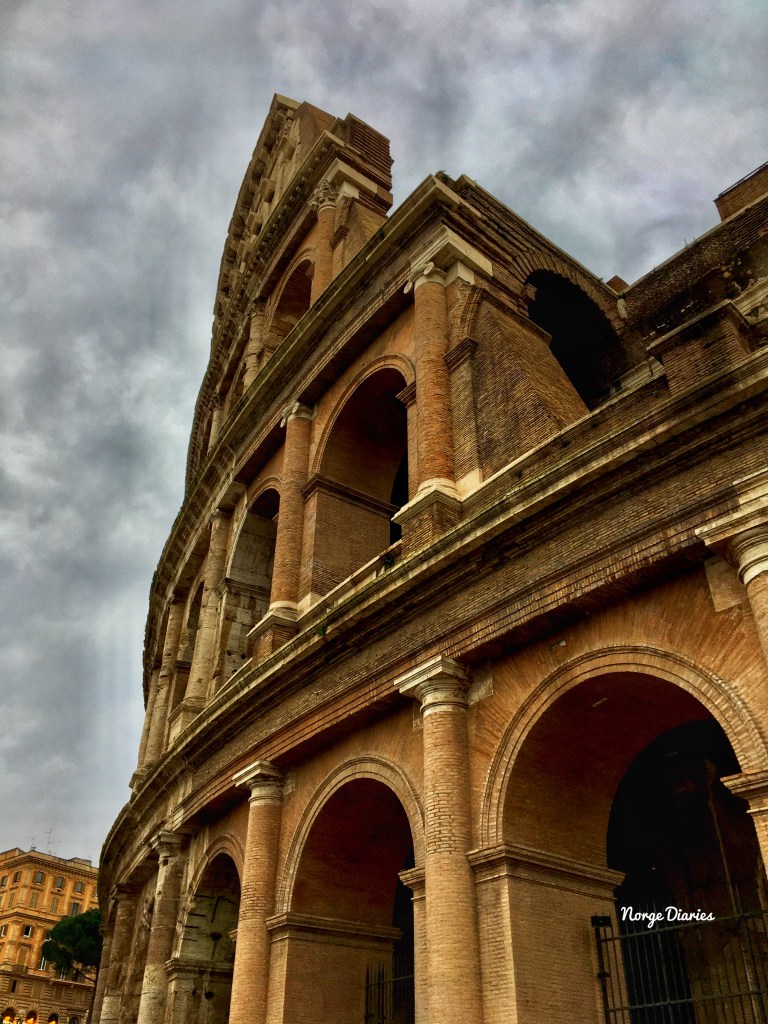
Colosseum –
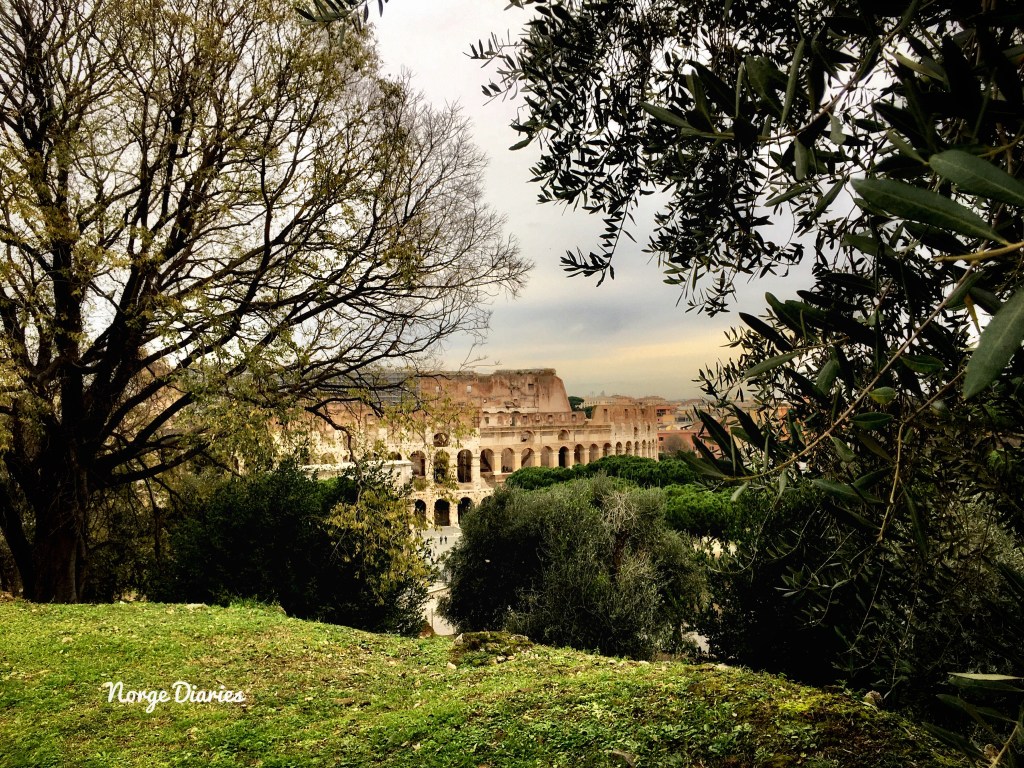
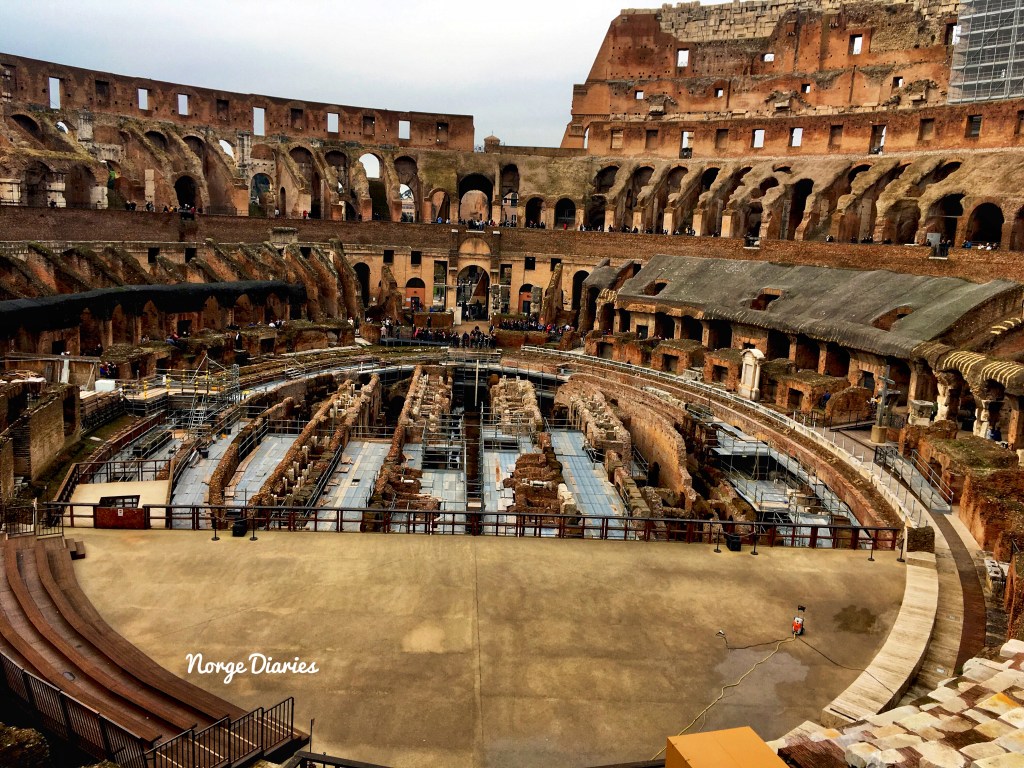
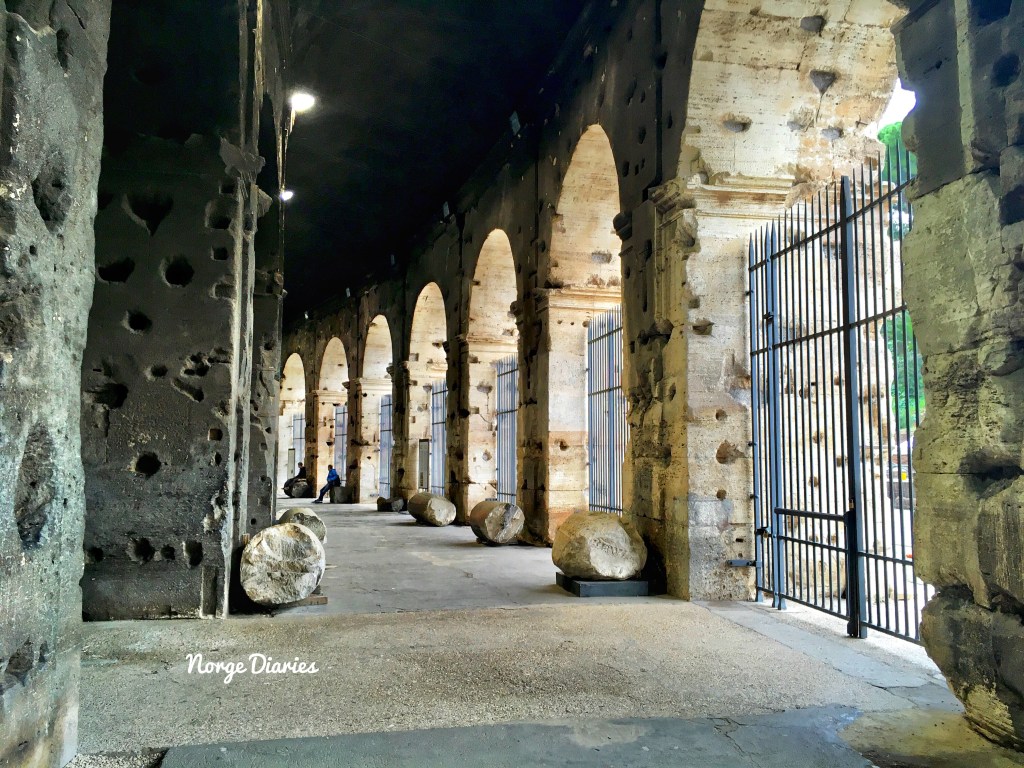
The Colosseum or Coliseum, also known as the Flavian Amphitheatre, is an oval amphitheatre in the centre of the city of Rome, Italy. Built of travertine limestone, tuff, and brick-faced concrete, it was the largest amphitheatre ever built at the time and held 50,000 spectators.
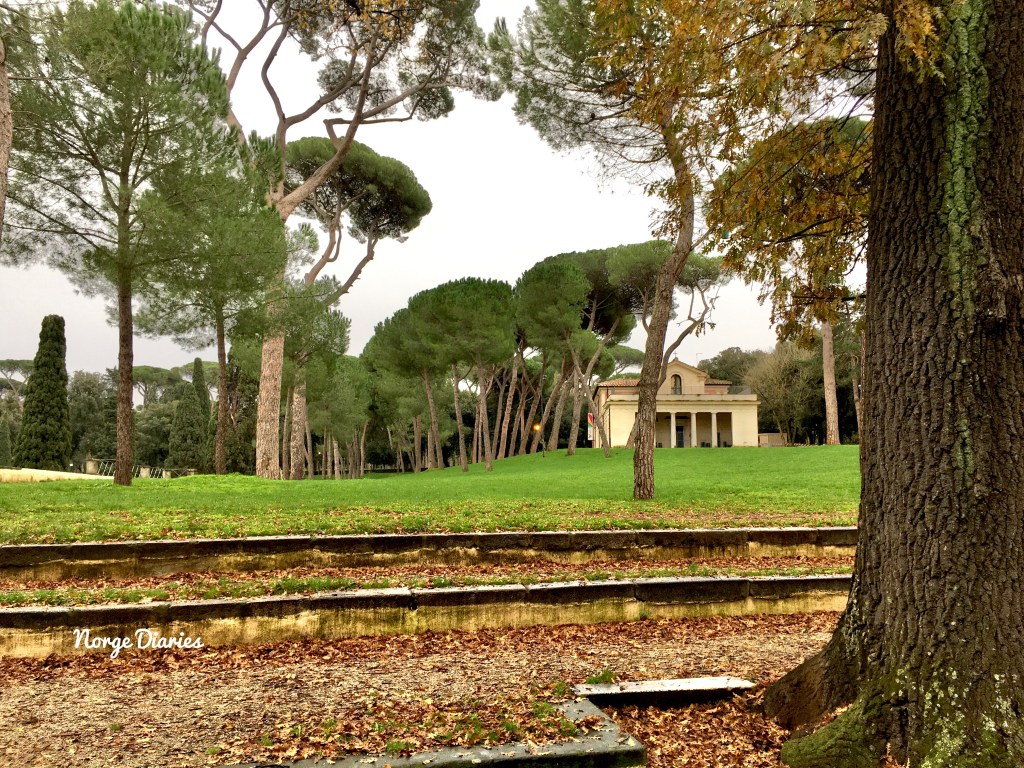
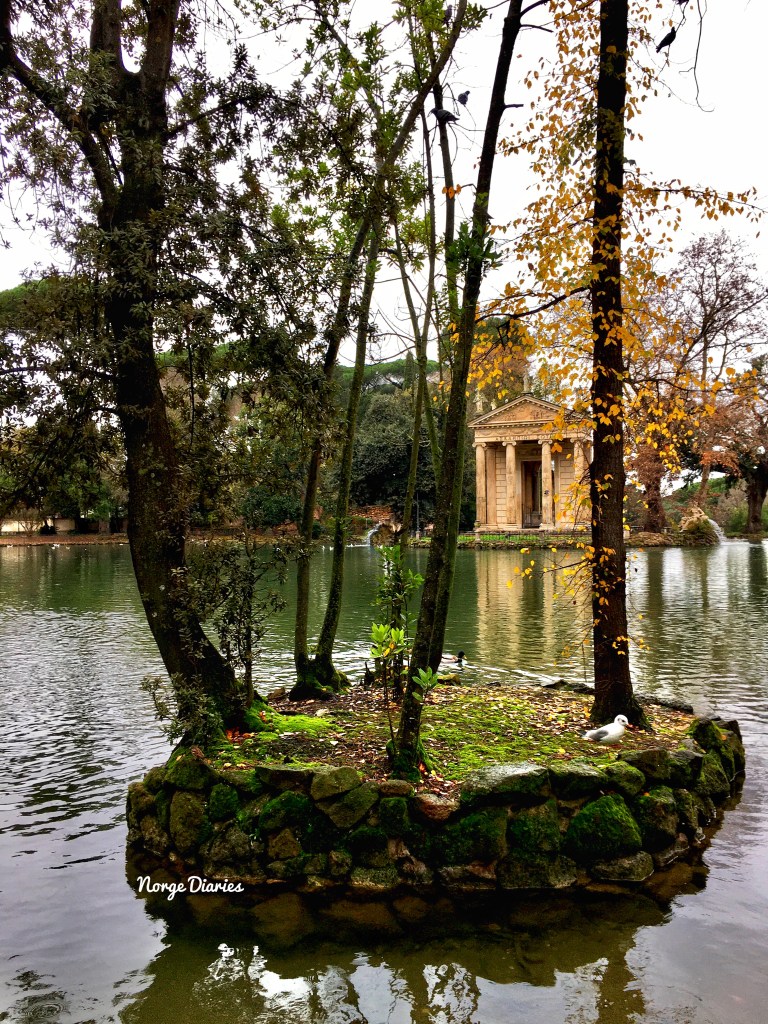
Villa Borghese-
Villa Borghese is a landscape garden in Rome, containing a number of buildings, museums and attractions. It is the third largest public park in Rome after the ones of the Villa Doria Pamphili and Villa Ada.
Trevi Fountain-
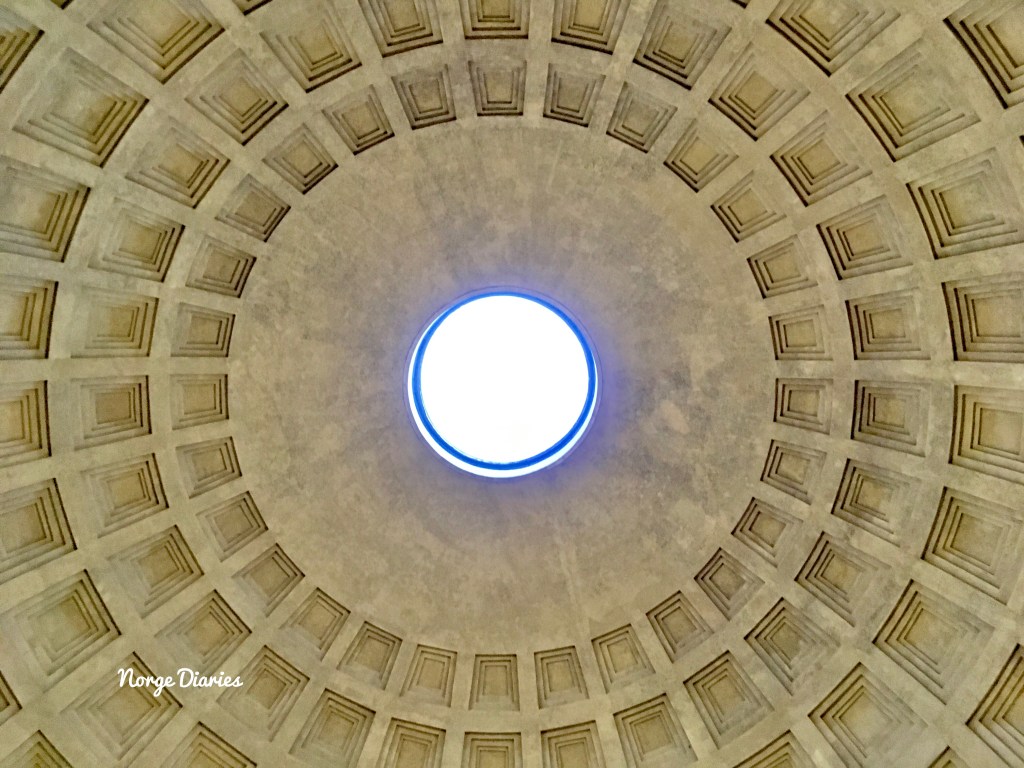
The Pantheon-
These dimensions make more sense when expressed in ancient Roman units of measurement: The dome spans 150 Roman feet; the oculus is 30 Roman feet in diameter; the doorway is 40 Roman feet high. The Pantheon still holds the record for the world’s largest unreinforced concrete dome.
St. Peter’s Basilica-
Villa Borghese-
Colosseum-
St. Angelo Bridge-
 My Phone... My Eyes...